
In today’s digital landscape, the security of your website is paramount. As a website owner, you may not realize that your site is a prime target for cybercriminals. With the increasing sophistication of hacking techniques, ensuring that your website is secure is not just a precaution; it’s a necessity.
A breach can lead to data loss, financial repercussions, and damage to your reputation. When you prioritize website security, you are not only protecting your assets but also instilling trust in your visitors. They are more likely to engage with a site that demonstrates a commitment to safeguarding their information.
Moreover, the implications of neglecting website security extend beyond immediate threats. Search engines like Google have begun to penalize sites that do not adhere to security best practices, which can adversely affect your search engine rankings. This means that if you want to maintain visibility and attract traffic, you must invest in robust security measures.
By taking proactive steps to secure your website, you are not only protecting your current audience but also ensuring that potential customers feel safe when interacting with your brand. WordPress is a powerful and versatile content management system for building websites.
Key Takeaways
- Website security is crucial for protecting sensitive data and maintaining trust with users.
- Common security threats for WordPress websites include malware, brute force attacks, and outdated software.
- A WordPress security expert should have experience with WordPress, knowledge of security best practices, and a proactive approach to security.
- Steps to protect your WordPress website include using strong passwords, keeping software updated, and implementing security plugins.
- A WordPress security expert plays a key role in identifying and mitigating security risks, as well as providing ongoing support and maintenance.
Common Security Threats for WordPress Websites
Brute Force Attacks
One of the most common threats you may encounter is brute force attacks, where attackers use automated tools to guess your login credentials. This method can be particularly effective if you have weak passwords or if you haven’t implemented measures like limiting login attempts.
Malware Injection
Another prevalent threat is malware injection. Cybercriminals can exploit vulnerabilities in your WordPress themes or plugins to inject malicious code into your site. This can lead to various issues, from redirecting users to harmful sites to stealing sensitive information.
Outdated Software and Other Threats
You might also face threats from outdated software; failing to regularly update your WordPress core, themes, and plugins can leave you vulnerable to known exploits. By being aware of these common threats, you can take the necessary steps to fortify your website against potential attacks.
Qualities to Look for in a WordPress Security Expert

When seeking a WordPress security expert, it’s essential to look for specific qualities that indicate their capability and reliability. First and foremost, experience is crucial. You want someone who has a proven track record in securing WordPress sites and understands the unique challenges that come with this platform.
An expert with years of experience will be more adept at identifying vulnerabilities and implementing effective security measures tailored to your needs. Additionally, communication skills are vital. A good security expert should be able to explain complex security concepts in a way that you can understand.
They should be willing to educate you about potential risks and the steps they are taking to mitigate them. Furthermore, look for someone who stays updated on the latest security trends and threats. The digital landscape is constantly evolving, and a knowledgeable expert will be proactive in adapting their strategies to counter new risks.
Steps to Take to Protect Your WordPress Website
| Steps | Description |
|---|---|
| Keep WordPress Updated | Regularly update WordPress core, themes, and plugins to patch security vulnerabilities. |
| Use Strong Passwords | Set strong, unique passwords for your WordPress admin, FTP, and database accounts. |
| Install Security Plugins | Use security plugins to monitor and protect your website from malware, brute force attacks, and other threats. |
| Enable Two-Factor Authentication | Add an extra layer of security by requiring a second form of verification to log in. |
| Backup Your Website Regularly | Set up regular backups to ensure you can restore your website in case of a security breach. |
| Limit Login Attempts | Prevent brute force attacks by limiting the number of login attempts allowed. |
| Use SSL Encryption | Secure data transfer between your website and visitors by using SSL encryption. |
Protecting your WordPress website requires a multi-faceted approach. One of the first steps you should take is to ensure that you are using strong passwords for all user accounts associated with your site. This includes not only your admin account but also any other users who have access.
Consider using a password manager to generate and store complex passwords securely. Additionally, implementing two-factor authentication adds an extra layer of security that can significantly reduce the risk of unauthorized access. Regularly updating your WordPress core, themes, and plugins is another critical step in maintaining security.
Developers frequently release updates that patch vulnerabilities, so staying current is essential. You should also consider implementing a web application firewall (WAF) that can help filter out malicious traffic before it reaches your site. Regular backups are equally important; in the event of a breach or data loss, having recent backups ensures that you can restore your site quickly without significant downtime.
The Role of a WordPress Security Expert
A WordPress security expert plays a pivotal role in safeguarding your website from various threats. Their primary responsibility is to assess your site’s vulnerabilities and implement strategies to mitigate risks effectively. This may involve conducting security audits, where they analyze your site’s architecture and identify potential weaknesses that could be exploited by hackers.
By understanding the specific risks associated with your site, they can tailor their approach to meet your unique needs. In addition to preventive measures, a security expert also provides ongoing support and monitoring. They can set up alerts for suspicious activity and respond promptly if any issues arise.
This proactive approach ensures that potential threats are addressed before they escalate into significant problems. Furthermore, a security expert can assist in developing an incident response plan so that if a breach does occur, you have a clear strategy for containment and recovery.
Choosing the Right Security Plugins for Your Website
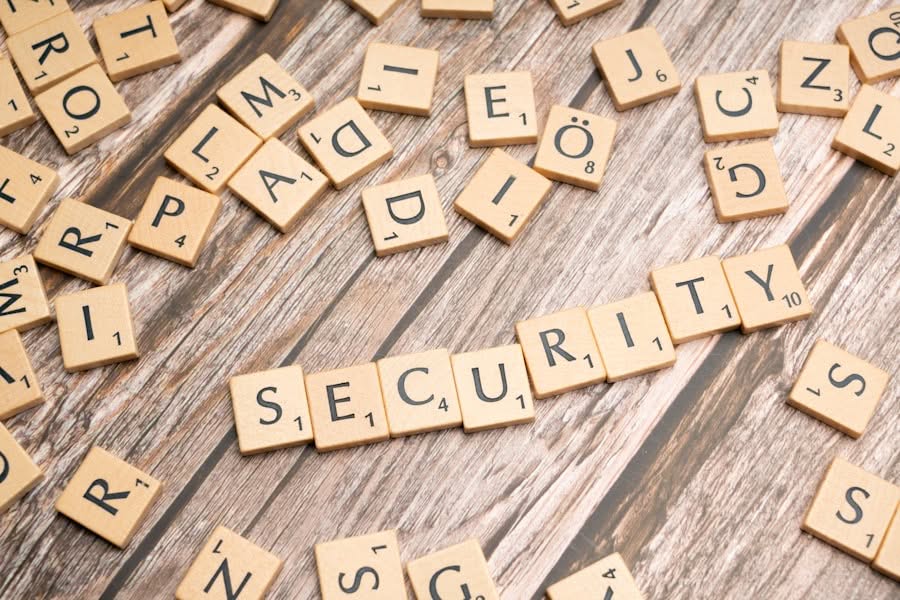
Selecting the right security plugins for your WordPress website is crucial in fortifying its defenses against cyber threats. There are numerous plugins available, each offering different features and functionalities. When evaluating options, consider plugins that provide comprehensive security solutions, including firewall protection, malware scanning, and login attempt monitoring.
Popular choices like Wordfence and Sucuri Security offer robust features that can help protect your site from various attacks. It’s also essential to choose plugins that are regularly updated and well-supported by their developers. A plugin that hasn’t been updated in a while may not address new vulnerabilities or threats effectively.
Additionally, read user reviews and check for any reported issues related to compatibility with other plugins or themes on your site. By carefully selecting security plugins that align with your needs and ensuring they are actively maintained, you can significantly enhance your website’s overall security posture.
Tips for Maintaining Website Security
Maintaining website security is an ongoing process that requires diligence and attention to detail. One effective tip is to conduct regular security audits of your site. This involves reviewing user accounts, checking for outdated plugins or themes, and ensuring that all security measures are functioning correctly.
By routinely assessing your site’s security status, you can identify potential vulnerabilities before they become significant issues. Another important practice is to educate yourself and your team about cybersecurity best practices. Ensure that everyone involved in managing the website understands the importance of security and follows established protocols.
This includes recognizing phishing attempts, using secure connections (like HTTPS), and being cautious about third-party integrations. By fostering a culture of security awareness within your organization, you can create an environment where everyone plays a role in protecting the website.
The Benefits of Hiring a WordPress Security Expert
Hiring a WordPress security expert offers numerous benefits that can significantly enhance the safety of your website. One of the most significant advantages is access to specialized knowledge and skills that may not be available in-house. A dedicated expert brings experience from working with various clients and understanding the latest threats and best practices in website security.
This expertise allows them to implement effective strategies tailored specifically for your site. Additionally, outsourcing your website’s security allows you to focus on other critical aspects of your business without the constant worry of potential breaches or vulnerabilities. A security expert will handle monitoring, updates, and incident response, giving you peace of mind knowing that professionals are managing this crucial area of your online presence.
Ultimately, investing in a WordPress security expert not only protects your website but also contributes to the overall success and credibility of your brand in the digital marketplace.