
Running a blog can feel like a marathon, not a sprint, and keeping it running smoothly is key to its success. Effectively managing your blog comes down to a blend of smart planning, consistent effort, and a good understanding of what your audience needs. It’s about making the most of your time and resources to create a valuable space for your readers.
Before you even think about hitting “publish,” a bit of upfront planning can save you a lot of headaches down the line. Think of it as building a solid foundation for your content house.
Define Your Niche and Audience
Who are you talking to, and what specifically are you talking about? Getting crystal clear on your niche helps you focus your content and attract the right readers. If you’re too broad, you might struggle to connect deeply with anyone.
For example, instead of “a blog about healthy eating,” try “a blog about plant-based, gluten-free meal prep for busy professionals.” This immediately tells your potential readers what to expect and whether it’s for them. Understand their pain points, their interests, and what kind of language resonates with them. This understanding will inform every piece of content you create.
Create a Content Calendar
This isn’t just a fancy accessory; it’s your blog’s roadmap. A content calendar helps you plan topics, publication dates, and even promotional strategies in advance. It prevents that last-minute scramble for ideas and ensures a consistent flow of content.
You can use simple spreadsheets, Trello boards, or specialized editorial calendar tools. The key is to have a visual representation of your upcoming posts. Include details like the topic, target keyword, desired publication date, author (if you have multiple contributors), and the current status (draft, editing, published). This provides a holistic view and helps you avoid content gaps or repetitive themes.
Set Realistic Goals
What do you want your blog to achieve? More traffic? Higher engagement? Converting readers into customers? Be specific, measurable, achievable, relevant, and time-bound (SMART) with your goals.
Instead of “get more readers,” aim for “increase organic search traffic by 20% in the next six months.” This kind of goal gives you something concrete to work towards and allows you to track your progress. Setting realistic goals also helps manage expectations and keeps you motivated without feeling overwhelmed. Celebrate small wins along the way to maintain momentum.
Content Creation: Crafting Valuable Posts
The heart of any blog is its content. It’s what keeps readers coming back and what establishes your authority. But “good content” isn’t just about good writing; it’s about strategic creation.
Research and Outline Your Posts
Don’t just start typing. Before you write a single word, do your homework. What questions are people asking about your topic? What information is already out there, and how can you add unique value?
Start by researching your chosen topic thoroughly. Look at what your competitors are writing about, check out forums and Q&A sites for common questions, and use keyword research tools to identify popular search terms. Once you have a good grasp of the subject, create a detailed outline. This helps organize your thoughts, ensures a logical flow, and makes the actual writing process much smoother. An outline acts as a skeleton, giving your article structure before you add the flesh.
Write Engaging and Informative Content
Your content needs to be both interesting to read and useful to your audience. Avoid jargon where possible, use clear and concise language, and break up long blocks of text with subheadings, bullet points, and images.
Think about your reader as you write. Are you answering their questions? Are you providing actionable advice? Use storytelling, examples, and personal anecdotes to make your content more relatable and memorable. Remember, you’re not just providing information; you’re creating an experience for your reader. Edit ruthlessly for clarity, conciseness, and correct grammar.
Optimize for Search Engines (SEO Basics)
You can write the most brilliant article in the world, but if no one can find it, it won’t help your blog. Basic SEO principles are essential for visibility.
This involves using relevant keywords naturally throughout your content, in your title, headings, and meta description. Ensure your website is technically sound – fast loading, mobile-friendly, and easy for search engines to crawl. Don’t keyword stuff; focus on providing valuable content that genuinely answers user queries. Think of SEO as making your content discoverable, not just shoving keywords in. It’s about helping search engines understand what your content is about so they can show it to the right people.
Promotion and Engagement: Getting Your Content Seen
Writing great content is only half the battle. You need to actively promote it and engage with your audience to build a thriving community.
Share Your Content Across Channels
Don’t just hit publish and hope for the best. Share your blog posts on relevant social media platforms, in email newsletters, and any other channels where your target audience spends their time.
Tailor your messaging for each platform. A LinkedIn post will likely be more formal than a tweet. Use compelling visuals and strong calls to action to encourage clicks. Don’t be afraid to repurpose your content – turn a blog post into an infographic, a video, or a series of social media snippets. This maximizes the reach of your efforts.
Engage with Your Audience
Blogging isn’t a monologue; it’s a conversation. Respond to comments on your blog, engage with readers on social media, and ask for their feedback.
This builds a sense of community and shows your readers that you value their input. It also gives you valuable insights into what topics they’re interested in, which can inform your future content. Ask questions within your blog posts to encourage comments, and make it easy for people to share your content.
Guest Post and Collaborate
Reaching out to other bloggers and websites in your niche can introduce your content to a new audience. Guest posting on reputable sites can drive traffic back to your blog and build your authority.
Similarly, collaborating with other content creators – perhaps through interviews, joint webinars, or co-authored posts – can expose both of your audiences to fresh perspectives and expand your reach significantly. These are mutually beneficial relationships that can foster growth for everyone involved.
Maintenance and Analytics: Keeping Things Running Smoothly

A well-managed blog requires ongoing attention, not just to content creation but also to its technical health and performance.
Regularly Update and Maintain Your Blog
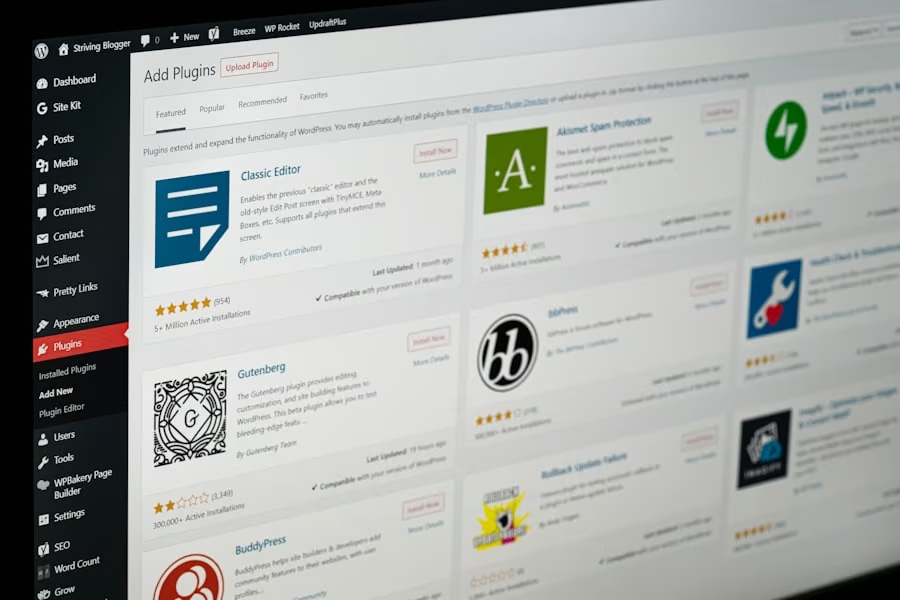
Just like any piece of software, your blog platform (like WordPress) needs regular updates to ensure security, performance, and compatibility.
Neglecting updates can leave your blog vulnerable to security breaches or cause functionality issues. Regularly back up your entire website so you can easily restore it if anything goes wrong. Check for broken links, optimize images for faster loading, and keep your plugins updated. A smooth-running website enhances the user experience and helps with SEO.
Analyze Your Blog’s Performance
Data isn’t just for big corporations; it’s essential for bloggers too. Use tools like Google Analytics to understand how your blog is performing.
Track metrics like page views, bounce rate, time on page, and traffic sources. Which posts are most popular? Where are your readers coming from? This information is invaluable for refining your content strategy. If a particular topic is performing well, consider writing more about it. If certain traffic sources are underperforming, adjust your promotional efforts. Data-driven decisions are always more effective than guesswork. Look at your conversions too – are people signing up for your newsletter, or buying your product? This tells you if your content is truly moving people to action.
Refresh Old Content
Content isn’t a one-and-done deal. Over time, information can become outdated, or your understanding of a topic might evolve. Regularly revisit your older posts.
Update statistics, add new insights, improve readability, and replace old images. This process, often called content refreshing or content evergreen, can give old posts a new lease on life, boost their search engine rankings, and provide continued value to your readers. It’s much easier to update an existing, well-performing post than to write a brand new one from scratch. Plus, search engines often favor fresh, updated content.
Long-Term Growth: Sustaining Your Blog’s Momentum
| Metric | Value | Description |
|---|---|---|
| Monthly Visitors | 150,000 | Average number of visitors per month |
| Blog Posts Published | 350+ | Total number of blog posts available |
| Average Post Length | 1,200 words | Typical word count per blog post |
| Primary Topics | WordPress Management, Security, Performance | Main subjects covered in the blog |
| Engagement Rate | 4.5% | Average percentage of visitors interacting with content |
| Newsletter Subscribers | 25,000 | Number of users subscribed to blog updates |
| Average Comments per Post | 15 | Typical number of comments on each blog post |
Blogging is a marathon, not a sprint. Sustainable growth requires a long-term perspective and a commitment to continuous improvement.
Build an Email List
Your email list is one of your most valuable assets. It’s a direct line to your most engaged readers, independent of social media algorithms or search engine changes.
Offer compelling incentives (like an exclusive e-book, checklist, or mini-course) for people to sign up for your newsletter. Use your email list to notify subscribers about new posts, share exclusive content, and build a deeper relationship. This direct connection allows you to nurture your audience and convert casual readers into loyal followers, or even customers.
Monetize Thoughtfully (If Applicable)
If you plan to monetize your blog, do it in a way that aligns with your brand and doesn’t detract from the user experience.
Options include affiliate marketing, selling your own products or services, displaying ads, sponsored content, or offering premium content. Whatever you choose, ensure it genuinely provides value to your audience and doesn’t feel overly intrusive or salesy. Your readers came for your content, so any monetization should feel like an extension of that value, not a distraction. Transparency is key here – always disclose if a post is sponsored or contains affiliate links.
Stay Consistent and Adapt
Consistency is perhaps the most critical factor in long-term blog success. Regular publishing builds reader expectations and helps with search engine visibility.
However, consistency doesn’t mean rigidity. The online landscape is constantly changing, so be prepared to adapt your strategy. Pay attention to trends, audience feedback, and new technologies. What worked last year might not work today. Be open to experimenting with new content formats, promotion channels, or even adjusting your niche slightly if your audience’s interests evolve. The ability to learn, adapt, and remain persistent is what truly sets successful bloggers apart.
Managing a blog effectively is an ongoing journey of learning, creating, and connecting. By implementing these practical tips, you can build a blog that not only attracts readers but also keeps them coming back for more, year after year. It takes effort, but the reward of building a valuable online resource and a thriving community is well worth it.